I.D.E.A.
Initiative for Dynamizing Educational Adaptation
Project mission
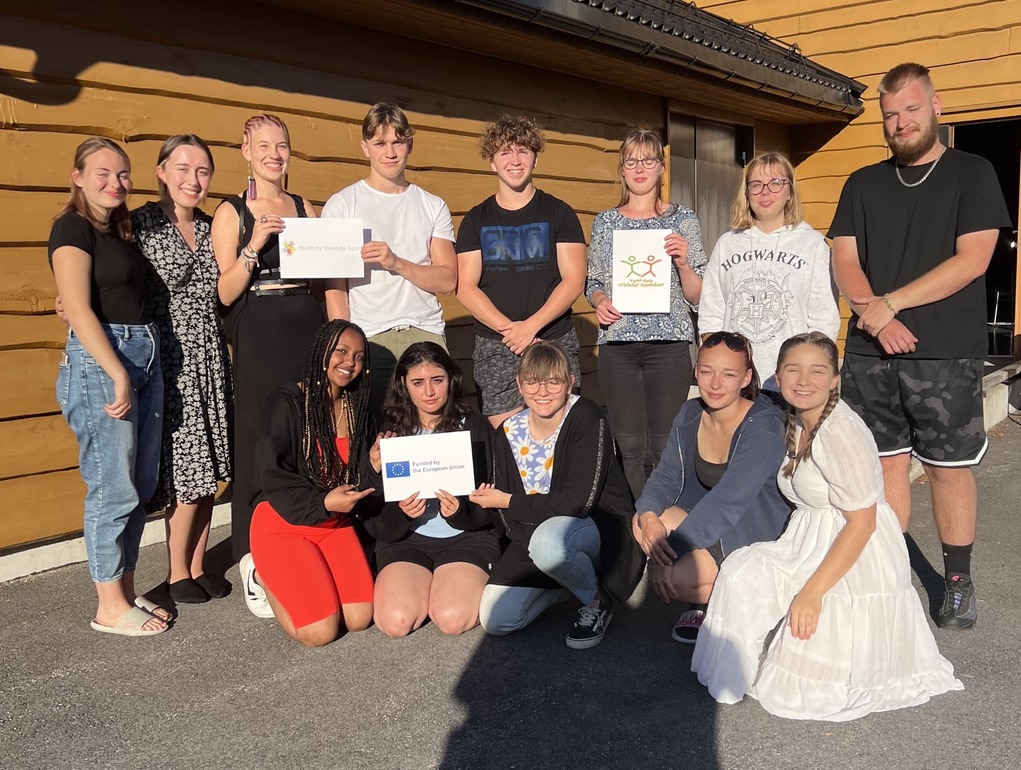
I.D.E.A. stands for Initiative for Dynamizing Educational Adaptation, and is a KA210 Erasmus+ Small Scale Strategic Partnership created by the youth organisations Youth for Diversity Agder (YDA) and Tett-Hely Ifjúsági Egyesület (THIE). The project aimed to provide tailored non-formal educational materials and methods, enabling young individuals to confidently initiate and manage impactful community projects, ultimately nurturing a generation of proactive change-makers and social entrepreneurs.
The I.D.E.A. project, an Erasmus+ small-scale partnership project, represents a dedicated and engaging effort over 22 months and counting, to empower and inspire young individuals in rural communities. This exciting initiative took shape as a result of a shared passion for nurturing and harnessing the potential of young minds.
At its core, it embodies the values and principles of non-formal learning, social entrepreneurship, and project management. These three pillars form the foundation upon which our project was built, shaping its unique identity and distinguishing it as a forward-thinking and impactful undertaking.
Our vision for the IDEA project was to create a dynamic and inclusive space where young people could embark on a journey of self-discovery while simultaneously making a meaningful impact on their local communities. By fostering a supportive and nurturing environment, we aimed to provide the youth with the tools, knowledge, and guidance they needed to transform their ideas into tangible projects that benefit their surroundings. The I.D.E.A. initiative aligned with the broader mission of the Erasmus+ program, which seeks to promote youth development, international cooperation, and the exchange of best practices in the field of education. By embracing the essence of non-formal learning, social entrepreneurship, and effective project management, our project contributed to the overarching objectives of Erasmus+ by equipping young people with the skills and confidence required to effect positive change in their communities and the wider world.
I.D.E.A. project objectives were:
1. To empower Youth Initiatives: We sought to encourage and support local youth initiatives by providing tailored mentoring and educational materials, catering to their specific needs.
We recognised the potential and creativity within these young individuals and aimed to encourage and support them on their journey. To achieve this, we provided tailored mentoring and educational materials. These resources were carefully designed to address their specific needs, equipping them with the skills and knowledge required to bring their ideas to life. We strongly believe that by investing in these young minds, we can create a wave of positive change in their communities.
2. Create Safe Incubator Spaces: Our objective was to establish “incubator houses” in two locations, offering young people a secure environment to execute their ideas and projects.
At the core of our project were the “incubator houses” located in two different regions. These spaces were designed to provide young people with a secure and supportive environment to execute their ideas and projects. Our intention was to create an atmosphere where they could explore their creativity freely, collaborate with peers, and receive guidance from experienced mentors. These incubator houses served as hubs of innovation, fostering a sense of community and shared purpose among the youth.
3. Enhance Competences: We aimed to empower youth by improving their competencies and engaging them in a structured learning process led by mentors.
We aimed to empower young people by enhancing their competencies through a structured learning process. Our project prioritised a dynamic, non-formal learning approach led by dedicated mentors. The learning activities encompassed a range of topics, including project management, social entrepreneurship, media literacy, and more. By investing in these skills, we sought to equip the youth with the practical knowledge they needed to bring about change in their communities.
4. Boost Confidence: Our project aimed to instill the belief in young people that they possess the ability to turn their ideas into reality, fostering confidence and self-assuredness.
We wanted them to believe that they possess the ability to turn their ideas into reality. By providing them with the necessary tools, resources, and guidance, we intended to foster a sense of self-confidence that would empower them not only in their projects but also in various aspects of their lives.
5. Promote Internationalisation: We aspired to take their ideas to an international level, showcasing opportunities for them to internationalise their initiatives and connect with a global audience.
We wanted to show them that their ideas had the potential to reach a global audience. By connecting them with international networks and opportunities, we aimed to broaden their horizons and inspire them to think on a global scale. This objective was aligned with our belief that the initiatives born from I.D.E.A. could have a meaningful impact on a larger stage.
We engaged in a series of impactful activities aimed at fostering the growth and development of young individuals within rural communities. These activities were strategically designed to empower and equip the youth with the skills, knowledge, and support needed to transform their ideas into tangible projects that make a meaningful difference in their localities, and are as follows:
1. Customised Curriculum Development: We recognized the importance of tailoring educational materials to the unique needs and preferences of young people aged 13-18. To achieve this, we adapted project management and entrepreneurship learning curricula. These custom-designed materials were packaged into engaging non-formal learning formats, including a board game, a cartoon series, and an informative website filled with resources such as a handbook, video vlogs, and a sharing forum.
These innovative tools served as dynamic resources, providing the youth with real-world examples, practical insights, and valuable tools to bolster their understanding and skills in project management and entrepreneurship.
2. Safe and Supportive Incubation Spaces: The I.D.E.A. project created a secure and nurturing environment for young individuals to nurture their ideas and projects in both Pécs, Hungary and Kristiansand, Norway. In doing so we intended to ensure that the spaces were equipped to provide not only physical safety but also emotional support. Here, young participants had the opportunity to collaborate with experienced mentors, engaging in weekly interactions aimed at refining their projects. These incubators were founded upon the principles of sustainability and digitalisation, aligning with contemporary and forward-thinking practices.
3. Financial and Educational Guidance: As part of the project, the youth embarked on a journey of learning and skill development. They received guidance on the art of ideation and project application writing, pitching, and presenting ensuring that they were well-prepared to articulate their visions and strategies. Furthermore, they were provided with some funding that was contingent upon their ability to craft comprehensive project ideas and budgets. This financial support served as an essential stepping stone towards realising their project goals. Through close collaboration, the I.D.E.A. project team worked hand-in-hand with the young participants, providing mentorship and insights to help them refine and effectively execute their concepts.
4. Digital Visibility and Outreach: In an increasingly digital world, we recognised the importance of leveraging tools that resonate with young individuals and listen to them. By harnessing digital platforms and technologies familiar to the youth from their personal lives, we enabled them to showcase their ideas and projects to a broader audience. This approach not only enhanced their visibility but also extended their reach, making it easier to connect with potential supporters and collaborators.
5. Documentation and Knowledge Sharing: Throughout the duration of the project, we placed a strong emphasis on comprehensive documentation. Every step of the journey was recorded, creating a rich repository of experiences, insights, and best practices. This documentation became the cornerstone for generating valuable know-how and educational materials. We hope these documents and materials can continue to inspire and benefit others beyond the confines of the project.
The I.D.E.A. project outcomes serve as testaments to the dedication and passion of the youth and the organisations. They include:
1. Youth-Led Projects: We set out to support the implementation of youth-led projects within the community. What makes this achievement even more impressive is that, instead of the initially planned four projects, a total of six youth-led projects were successfully realised. These projects exemplify the commitment, creativity, and leadership skills of the young participants. The success of these initiatives showcases that, when provided with the right resources and guidance, young people have the capacity to bring their ideas to life and make a tangible impact in their localities.
2. Curriculum Adaptation: Central to the I.D.E.A. project was the adaptation of non-formal learning curricula targeted specifically at young people aged 13-18. These materials took the form of a board game, a cartoon series, a handbook, YouTube videos and this website. By offering these dynamic formats, we sought to make learning enjoyable, relatable, and accessible to young individuals. This adaptation was a crucial aspect of the project, making knowledge and skills in project management and entrepreneurship more approachable to the youth.
3. Youth Incubation Methodology: In our commitment to knowledge sharing and the sustainability of youth incubation practices, we established this platform to serve as a comprehensive resource hub, making available the unique methodology of youth incubation tailored for this specific age group. It also offers valuable insights for youth workers and organisations aiming to replicate similar initiatives elsewhere. By providing a structured and proven approach to youth incubation, we aim to inspire and guide future projects to empower young individuals in their own communities.
4. Effective Dissemination: The I.D.E.A. project was not confined within its own boundaries; it extended its impact through effective dissemination sharing with a wider audience through multiple channels. These include this project website, local news coverage, and active engagement on our social media platforms such as Instagram/Facebook. Furthermore, the project’s influence reached an even broader audience through participation in conferences and events.